The story of African music’s 21st-century explosion would be incomplete without a mention of YouTube. Over the last two decades, the digital behemoth has played a transformational role in African music by providing a platform for music from across the continent to reach audiences in far-flung parts of the world. Whether it is the beguiling groove of Wizkid and Tems’ “Essence” reaching obscure villages in South America or Rema’s “Calm Down” making a big splash across the world, YouTube is serving as a vehicle to take African music to unprecedented heights.
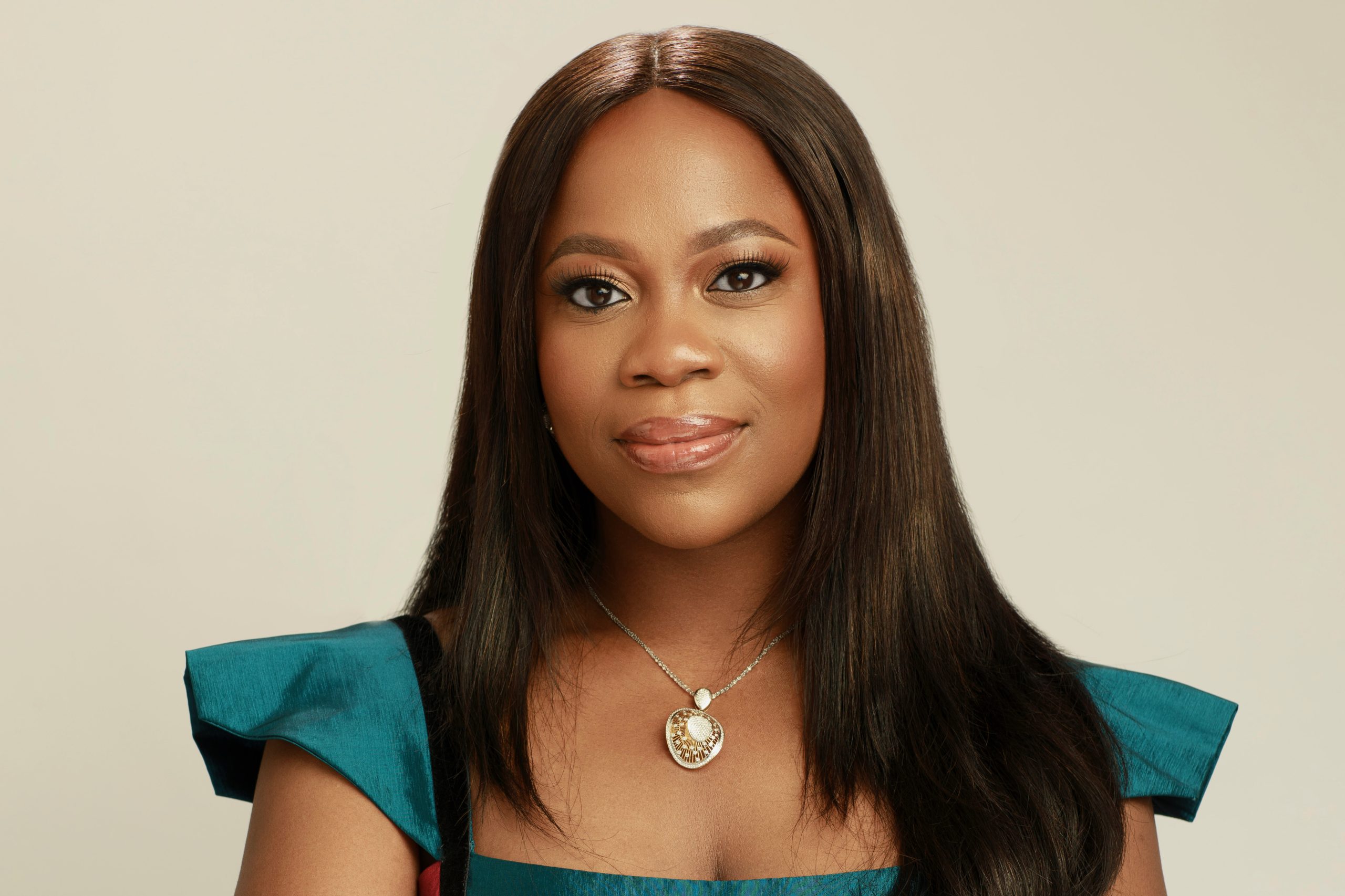
It is a mission that Addy Awofisayo, YouTube’s head of music in Sub-Saharan Africa, believes defines the company’s engagement with Africa. “We are helping to pave the way for African music to grow globally and connect with a global audience,” she tells Billboard Africa. “I always say that YouTube is helping African music travel without visas. We’ve been able to help artists connect with fans in different markets, and that’s the heart of our mission.”
In furtherance of its commitment to African music, YouTube hosted a party in Lagos to celebrate its 20th anniversary in December 2025, deepening its connection to the creative community in Nigeria’s cultural capital and beyond. We caught up with Addy Awofisayo to discuss the evolving role of the platform in African music and what the next frontier of African music could be.
Billboard Africa: What guides YouTube’s approach to supporting musicians across Africa, and how has that vision evolved over the years?
Addy Awofisayo: We have a global programme called Foundry, which is an artist development programme that supports artists at the early stages of their careers. So, globally, artists like Dua Lipa and Dave have been a part of the programme. It sort of informs our African approach, too, which is centred around discovery as well. So, we’ve had African artists like Tems and Rema be part of these programmes. Obviously, now you know them, but when they were in Foundry, they were just starting. When you talk to Tems’ team, they’ll tell you that the support she got from Foundry helped set up a lot of things, whether it was getting a laptop to record, which is just exciting to hear. It’s the same thing with Bella [Shmurda]; I had dinner with his team because I was getting to meet FOLA and Shoday, who were new artists we want[ed] to support. Over the course of our meeting, they were talking about how Foundry was an instrumental programme for Bella in his career. So, one of our approaches to supporting musicians from across Africa is to have musicians from across the continent as part of these global visibility programmes.
We also have another initiative called the Black Voices Fund, which was started in 2020 as a result of George Floyd’s death. The Black Voices Fund sprang up as a movement to support more black creatives, and Fireboy DML was a part of that initiative. When they are a part of these initiatives, they get some funding to help with content creation. There are also trainings on how to connect with and engage their audience on YouTube. The artists also get a partner manager at YouTube who supports them and manages their affairs internally at YouTube. The partner manager ensures that they are using YouTube’s latest features to make sure they’re connecting with their fans.
Lastly, we have another programme called Future Insiders that’s really geared at those who are just starting, because Future Insiders is a training programme. It’s a two to three—day programme, and we teach the best practices on YouTube. Whether it’s release strategy, engaging with the audience, or going live on YouTube, the aim is to help people understand the best way to use the platform. What we’ve realised is that artists just starting out don’t usually have a team yet. They don’t have big budgets, and they might not be signed to labels, so knowing how to connect to fans through digital platforms is crucial to their success because that’s a channel for discovery. It could be discovery by a label or a distribution company, so understanding how to use these digital tools is important for these acts. We channel our energy into making sure they have the education and resources for succeeding on the platform.
How do you think the usage of YouTube by African acts has evolved over the years?
I think the scope of usage has evolved a lot. Back in the day, YouTube used to be seen as this place where you upload your music video and watch the views go up, but it has gone beyond that now. We’re seeing artists livestream their concerts on YouTube now. We’re seeing them post other types of videos beyond music on the platform, whether it’s shoulder content or behind-the-scenes content of them at a concert or making music, the use case for YouTube by musicians is evolving. Livestreaming is something I’ve seen increase on the platform by African artists. I was just watching Ruger’s livestream for his UK show on YouTube, and I didn’t even know he had livestreamed. I was just on his channel because the algorithm recommended one of his videos for me, and then I saw that his latest video was his livestream, and I just thought that was incredible. Seeing the value of having a show in the United Kingdom, Jamaica, or China, and wanting your fans globally to have access to it, is something that we’ve seen increase greatly in terms of African artists tapping into livestreams. I think African artists using the platform beyond a place for music videos is the biggest change, whether responding to fans in the comment section or making community posts. I feel like YouTube is one of those platforms that gives you a sense of community, and community posts basically help to engage your community. We’re seeing artists evolve in how they engage with the platform by making sure they’re tapping into all the different features.
How do you ensure initiatives launched in Africa reflect the local musical ecosystems’ realities while still allowing global access?
I think the biggest difference with Africa and countries that are still developing is access to data and the internet. It’s only still a fraction of what it can be. For example, Nigeria has a population of over 200 million people, but we definitely do not have 200 million people online. I think that’s already an opportunity we are missing out on because the more people are online, the more we have a broader audience that the artist can tap into. The more the audience is online, the more advertisers want to put their money on digital, and creatives can monetise better. The thing I always tell people is that you’re not limited to monetisation from your home country. You can monetise from eyeballs all over the world, so a unique thing for Africa is ensuring our music exports really well. Then you can tap into eyeballs from the United States, the United Kingdom, Mauritius, and all of these places. Our music and movies export really well, and that allows our creatives to monetise from those markets.
What emerging region are you most excited about and why?
I am excited about different places for different reasons. I love East Africa; it’s one of those places where they lean into YouTube so well. YouTube is like their radio. That’s how they discover music; that’s how they engage with music. I have so much anticipation for people to discover East African music. Right now, in terms of what has been exported out of Africa, it’s Afrobeats and amapiano, but there’s so much richness in our music that I’m just eagerly anticipating people discovering East African music. Diamond Platnumz is pushing the envelope; he did a collaboration with Ciara [2025’s “Low”]. I think collaborations help you reach new fans and vice versa. Nigeria is really pushing the culture, and South Africa as well. There’s still so much more to come out of these countries, and I’m excited about what we will see in the future.
How do you see African digital creativity shaping conversations, trends, and communities beyond the continent?
The impact of African creativity is being felt across the world. Our artists are swelling out stages that have only been previously accessible to US artists; that’s already a testament to the audience they are building globally. Whether it is Burna Boy selling out Madison Square Garden or a lot of our artists selling out the O2 Arena in the United Kingdom, it shows their potential to shape culture. There’s also a market like Saudi Arabia that had Davido perform as one of the headliners at one of their biggest festivals. Those are signals that show that African music has travelled and will continue to move into these big markets. Even our sound is influencing other artists; there was a report recently about Latin artists tapping into the African sound. It presents an opportunity for African artists to tap into the Latin audience because the Latin artists themselves are infusing the African sound into their music.
AI is rapidly reshaping music consumption. What is the thinking around it at YouTube, and what impact do you think it’ll have on African creatives?
Just like any new technology that comes out, there’s always a level of apprehension or reservation towards it, but ultimately, it’s all about understanding how that technology can bring positive benefits. I was talking to an artist who had put out an album, and he wanted to have visuals for every song on the project, but it was expensive to do a music video for each song. So, he decided to use AI to create the visuals. He created one at first and shared it with someone who loved it so much that he decided to use AI to create the visuals for every song. That’s an example of how AI has been able to positively impact an artist because he was able to achieve his objective at a very low cost. I think the important thing is looking for ways where AI can be of benefit, whether that’s by reducing cost, enhancing creativity, or connecting with new fans via translation tools. So, for example, if you release a song in Yoruba or pidgin, AI tools can translate it into another language, like Spanish or Portuguese. It’s the possibility of infinite connection that excites me when it comes to AI.
What do you think is the next frontier for African music?
I would say it’s two-fold, with the first part being that we have to continue to tap into that export market. Whether that’s through collaborations with other artists in other markets, there’s still so much potential in terms of working with others and getting to new audiences. I think Nollywood has shown us the blueprint in terms of that global export because, regardless of where you are, somebody has watched something from the industry or knows a Nigerian actor or actress. The other part is coming back home and developing the infrastructure we need. For an artist to be successful, they really need to have a good network of people or a team around them. So, we need to ensure that we can develop a strong ecosystem of entertainment lawyers, managers, brand people, and stylists. Everyone talks about the creative economy, but for there to be a creative economy, there needs to be an opportunity for people to earn a living. The next frontier would be developing an economy for the creative industry.