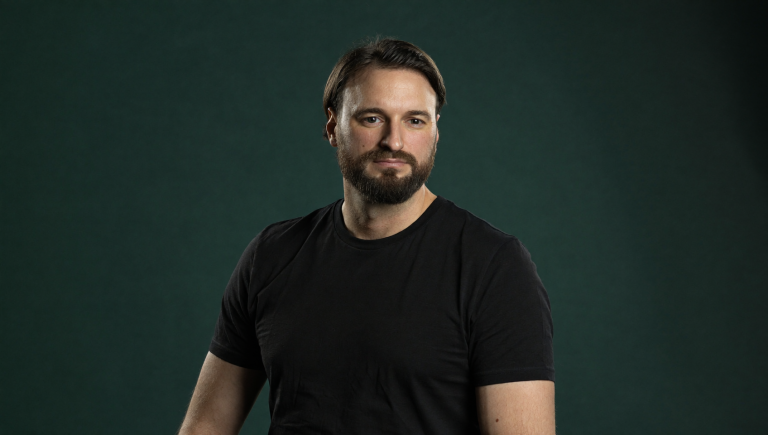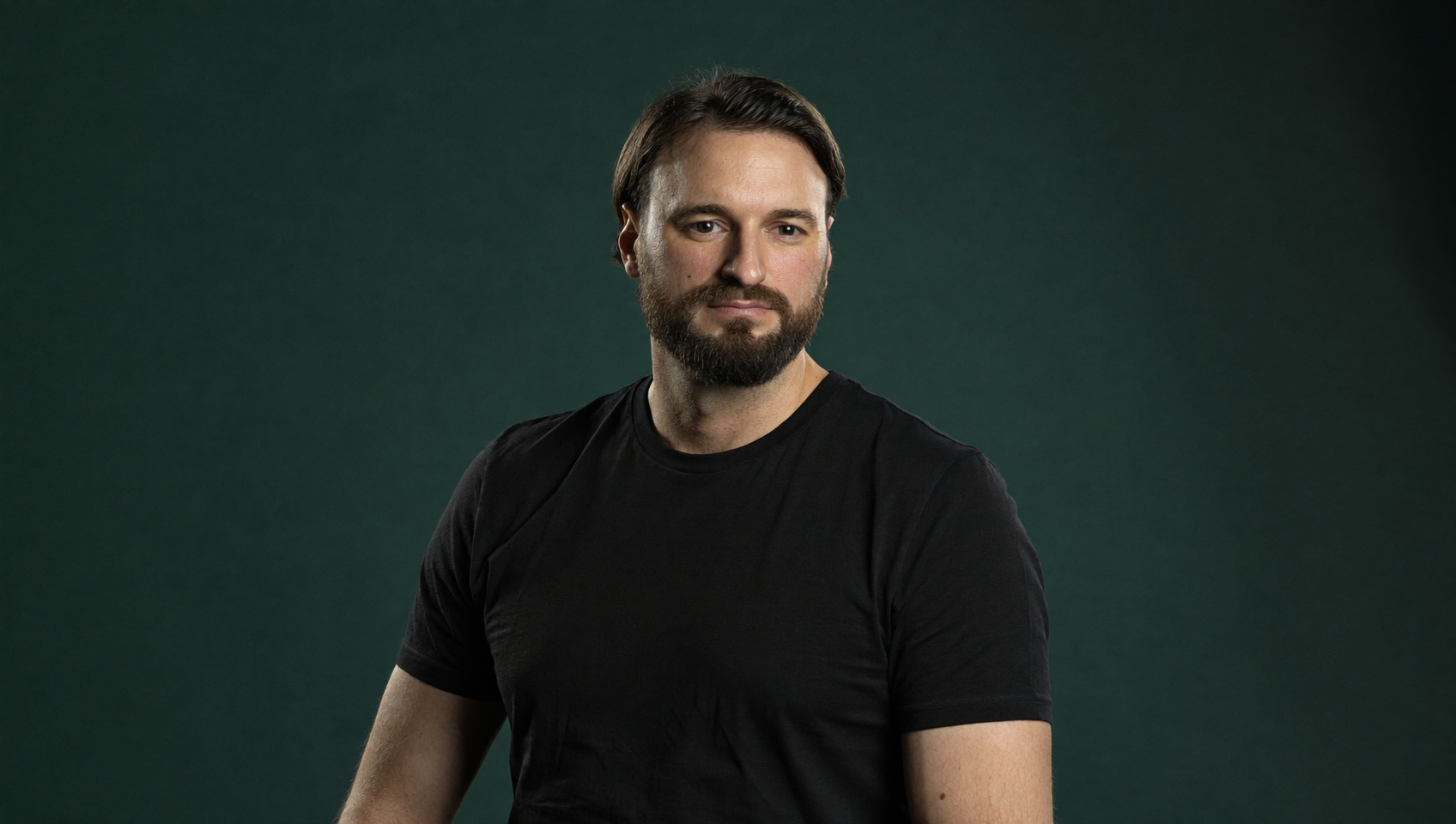
The music industry has always celebrated the comeback. Albums that redefine careers. Independent artists who become global stars. Entrepreneurs who rebuild after setbacks to create something even more influential than before. Behind many of those stories, however, lies a reality that receives far less attention: success in the creative economy is rarely determined by talent alone. It is often determined by how well people respond when momentum disappears. For entrepreneur, strategist and author Alessio Vinassa, rebuilding has become one of the defining themes of his career.
At just 22 years old, Vinassa had earned his first million dollars. Soon afterwards, he found himself with approximately €2,200 remaining in his bank account while facing a €180,000 payment obligation. Two ventures in which he had reinvested his capital failed, while a business partner lost part of the money entrusted to him through sports betting.
It was a dramatic reversal, but not the last.
Over the course of his entrepreneurial journey, Vinassa has experienced multiple financial collapses across different industries. Rather than presenting those setbacks as badges of honour, he describes them as moments that fundamentally reshaped the way he thinks about building businesses.
“The goal isn’t simply to recover,” he has said. “It’s to make sure you never rebuild the same weaknesses.” That distinction resonates well beyond traditional entrepreneurship.
Across Africa’s music industry, founders, artist managers, independent labels and creative agencies face similar challenges. Revenue can grow rapidly through touring, brand partnerships or streaming success, but expansion often brings greater operational complexity. Larger teams, higher overheads and ambitious growth plans can quickly become liabilities when markets shift or unexpected disruptions occur. Vinassa learned that lesson first-hand.
Years after recovering from his earliest financial setback, one of his businesses had grown to seven-figure monthly revenues while expanding by between 10 and 15 per cent each month. An external shock reversed much of that progress in less than thirty days, bringing operations to a near standstill.
The experience forced him to reconsider a common assumption in business—that bigger automatically means stronger.
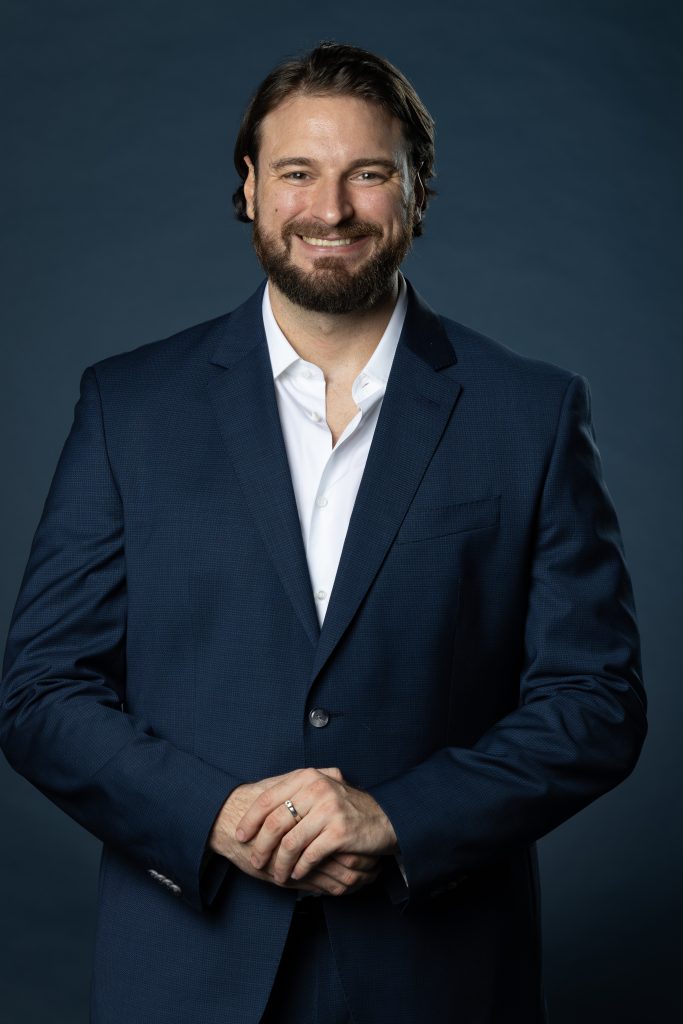
Growth, he realised, also increases exposure. As organisations expand, so do fixed costs, operational commitments and dependencies. A business can appear highly successful while becoming increasingly fragile beneath the surface. For the music business, the lesson feels particularly relevant.
Whether managing a successful touring artist, building a record label or scaling a creative agency, rapid growth can create pressures that are often invisible during periods of success. Touring schedules become more ambitious. Production budgets increase. Teams expand. Revenue rises, but so do expectations and financial obligations.
When conditions change, resilience depends less on momentum than on the quality of the systems supporting that momentum. Vinassa summarises one of his central principles simply: “Structure before intensity.”
Working harder, he argues, is rarely the solution when the business model itself requires rethinking. Before responding emotionally to a crisis, leaders should first understand what has fundamentally changed, distinguish facts from assumptions and identify which parts of the organisation need protecting first.
That philosophy became particularly important during another period of geopolitical and economic instability, when Vinassa experienced the rapid loss of clients and responded by restructuring his business and reducing the size of his team. Such decisions are rarely celebrated.
Entrepreneurs are applauded for hiring, expanding and announcing growth. Far less attention is given to the discipline required to contract responsibly when markets demand it. Yet preserving an organisational structure designed for conditions that no longer exist can place the entire business at risk. Rather than attempting to recreate the past, Vinassa advocates something different. Recovery seeks to restore what existed before disruption. Reinvention asks whether that structure still deserves to exist at all. It is a distinction that increasingly applies across the entertainment industry.
Streaming economics continue to evolve. Artificial intelligence is reshaping creative workflows. New revenue models are emerging across live entertainment, digital content and fan engagement. Success increasingly belongs to those willing to adapt without abandoning the principles that created value in the first place.
These experiences ultimately informed Vinassa’s forthcoming book, No One Is Coming, which explores leadership and decision-making under pressure. Rather than presenting failure as something to celebrate, the book argues that adversity only becomes valuable when it produces stronger judgement, better systems and wiser decisions.
Today, Vinassa’s work spans business strategy, cybersecurity, wealth management, publishing and AI-driven creative industries across Europe, the Middle East and international markets. While the sectors differ, the underlying challenge remains remarkably consistent: building organisations capable not only of growing during favourable conditions but enduring when those conditions inevitably change.
For entrepreneurs working across Africa’s fast-growing music and entertainment industries, that lesson may be more valuable than ever.
Creative businesses are built on vision, but they survive through discipline. Hits, headlines and viral moments can create extraordinary momentum, yet long-term success depends on what happens when the spotlight fades and difficult decisions begin. Vinassa’s story is not ultimately about financial collapse.
It is about recognising that every setback leaves behind a blueprint for building something stronger—provided leaders are willing to learn from it.
In an industry where reinvention has always been part of the creative process, perhaps it should become part of the business strategy too.
Billboard Africa staff were not involved in the creation of this content.